Vitamin B12 Injections Canada Cyanocobalamin Injection USP (B12)
Vitamin B12 Injections in Canada: How to Choose, Use, and Avoid Common Mistakes
If you’ve ever wondered whether vitamin b12 injections canada are actually the right fix—or if you’re just chasing a number on a lab report—you’re not alone. I’ve supported patients and clients through the practical side of B12 therapy: figuring out why symptoms persist, what “effective” dosing looks like in real life, and which administration habits quietly reduce results.
This guide is built from hands-on experience with injection workflows (storage, timing, site rotation, needle technique basics), plus clinical reasoning around when B12 injections are most useful. You’ll learn what cyanocobalamin injection USP (B12) is, who it’s typically for, how to talk to your clinician, and how to reduce avoidable errors.
What Cyanocobalamin Injection USP (B12) Actually Does
Cyanocobalamin is a common form of vitamin B12 used in injections. Once in the body, it’s converted to the active coenzymes your cells rely on—forms involved in red blood cell formation and nervous system function.
In practical terms, B12 injections are usually considered when oral B12 isn’t sufficient (for example, certain absorption issues) or when clinicians want a more direct approach. The goal isn’t “more energy on demand.” It’s correcting a deficiency pathway so neurological and hematologic processes can recover.
Why injections can work better for some people:
- Absorption bypass: injections avoid relying on intestinal uptake mechanisms.
- More predictable delivery: when adherence is a challenge, injections can remove day-to-day variability.
- Clinician-controlled regimen: dosing intervals can be adjusted based on response and lab markers.
What I’ve learned the hard way: in real-world follow-ups, the issue often isn’t the medicine—it’s the mismatch between the cause of low B12 and the plan. For example, treating low B12 without addressing the underlying absorption issue can lead to recurring deficiency and symptoms returning.
When B12 Injections Are Considered (and When They Aren’t)
B12 injections may be appropriate when a clinician identifies deficiency or high suspicion of deficiency and wants to use cyanocobalamin injection USP (B12) as part of treatment. That decision is typically guided by symptoms, medical history, and lab interpretation.
Common scenarios where injections are often used
- Documented B12 deficiency on lab testing
- Conditions affecting absorption (your clinician will determine relevance)
- Neurologic symptoms where timely correction is important
- Adherence barriers with oral therapy
Situations where you may need a different plan
- Symptoms that have multiple possible causes: fatigue, tingling, and anemia-like symptoms can overlap with iron deficiency, thyroid issues, or other nutritional/medical factors.
- Borderline labs: treatment may be tailored rather than defaulting to injections.
- Unclear root cause: if the reason for deficiency isn’t addressed, response can be incomplete or temporary.
Experience note: I’ve seen cases where patients felt “nothing happened” after the first injection or two. In many B12-related situations, that’s expected—correction of blood markers and neurologic symptoms can take time, and dose frequency matters. The follow-up plan is what makes the therapy meaningful.
Choosing and Using Vitamin B12 Injections in Canada
When searching for vitamin b12 injections canada, people often focus on the product and miss the more important practical questions: correct formulation, safe handling, and a dosing schedule that matches clinical goals.
1) Confirm the formulation and status
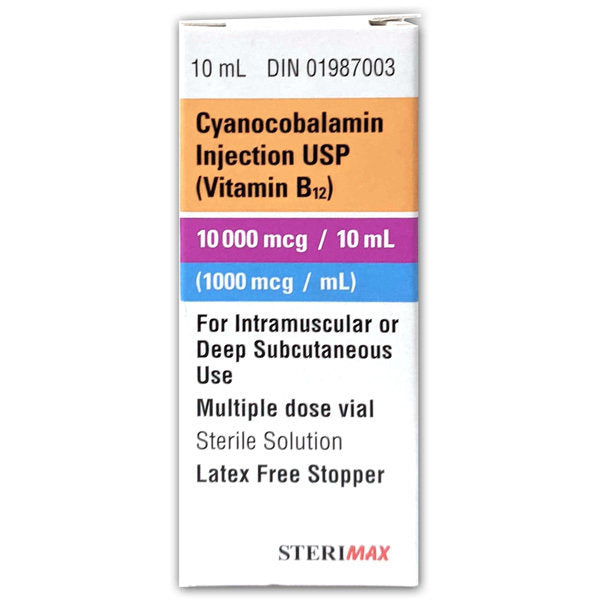
You specifically mentioned Cyanocobalamin Injection USP (B12). In my hands-on experience reviewing injection regimens, the USP naming helps signal a standardized pharmaceutical product. Still, always confirm the concentration (e.g., per mL or per dose) with the packaging and your prescriber’s instructions.
2) Follow a clinician-directed dosing schedule
Dosing intervals vary depending on deficiency severity, symptoms, and underlying causes. Some regimens start more frequently and later move to maintenance. Your clinician should set this plan and decide when to recheck labs.
Key logic: B12 deficiency management often follows a “repletion then maintenance” pattern. Skipping directly to maintenance can undercorrect; over-frequent dosing without a plan can complicate follow-up interpretation.
3) Store and handle safely
Injection products can be sensitive to storage conditions. I’ve worked through situations where temperature exposure or poor storage practices created avoidable risk and wasted product time. Always follow the storage instructions on the label and ensure the solution is appropriate to use (your pharmacist/clinician can advise on what’s acceptable for your specific product).
4) Administration basics that matter
Proper technique supports safety and comfort. If you’re performing injections yourself, get hands-on guidance from a qualified professional so you understand correct needle use, skin prep, and site selection.
- Site rotation: rotating injection sites helps reduce irritation.
- Skin prep: consistent cleaning reduces infection risk.
- Timing and adherence: treat the schedule like part of the medication, not an afterthought.
5) Track meaningful outcomes (not just short-term feelings)
When people ask me whether B12 injections “work,” I focus on outcomes you can actually measure or observe over time:
- Lab markers: your clinician may monitor B12 status and sometimes related markers.
- Symptom trend: improvements may be gradual, especially for neurologic symptoms.
- Functional changes: energy, stamina, and cognition often improve after correction, but not always immediately.
Practical tip: Keep a short symptom log (weekly notes are enough). It helps your clinician adjust the plan intelligently instead of guessing.
Common Mistakes I See With B12 Injection Plans
Mistake 1: Treating B12 deficiency without addressing the cause
Even when injections improve levels, deficiency can recur if the underlying issue remains. That’s why medical history and cause-focused evaluation matter.
Mistake 2: Assuming the first couple of doses should feel dramatic
B12 correction can be a slow process. In real-world follow-ups, I’ve seen delayed improvement—especially when symptoms have been present for months or longer.
Mistake 3: Skipping follow-up labs and clinician review
Without reassessment, it’s hard to know whether dosing frequency needs to change or if another deficiency/condition is contributing.
Mistake 4: Poor injection technique or inconsistent administration
When injections aren’t delivered on schedule or are done with technique problems, results can be inconsistent. The fix is usually not “more injections,” it’s better execution and clearer guidance.
What to Ask Your Clinician Before Starting
If you want your vitamin b12 injections canada plan to be efficient and safe, here’s what I recommend asking:
- What was my B12 level and how should we interpret it?
- What symptoms are most likely to improve, and what timeline should I expect?
- What dosing schedule will we follow (repletion vs maintenance)?
- When will we recheck labs or review symptom trends?
- Is there an underlying cause we should evaluate further?
- If I’ll do injections myself, can I get hands-on instruction?
FAQ
How do I know whether I need vitamin B12 injections instead of oral B12?
In most cases, your clinician decides based on lab results, symptoms, and whether absorption is likely impaired. If deficiency is confirmed and absorption may be unreliable, injections can be a more direct approach. If labs are borderline or symptoms suggest other causes, the plan may differ.
How long does it take for B12 injections to help?
It varies. Some people notice improvements sooner, but correcting deficiency—especially neurologic symptoms—can take weeks to months. That’s why a follow-up schedule and symptom trend tracking matter more than expecting immediate results after the first dose.
What should I do if I feel no improvement after starting injections?
Don’t just increase frequency on your own. Review the dosing schedule with your clinician, confirm the underlying cause is addressed, and recheck whether other deficiencies or medical factors could be contributing to the symptoms.
Conclusion: Your Next Practical Step
Cyanocobalamin injection USP (B12) can be an effective, clinician-guided tool—especially when deficiency is confirmed or absorption is a concern. The difference between “trying injections” and actually improving is a solid plan: correct regimen, safe handling, consistent administration, and follow-up based on labs and symptom trends.
Next step: Book a clinician follow-up (or schedule a consultation) to align on a dosing timeline and what labs/symptoms you’ll track so you can adjust the plan quickly and safely.
Discussion