Cat B12 Injection Cyanocobalamin (Vit B12) Injection for Pets
Introduction: when a “simple supplement” turns into a veterinary decision
If your pet is lethargic, losing weight, or has recurring digestive issues, it’s tempting to think the fix is as straightforward as giving a vitamin. In my hands-on work with veterinary teams, I’ve seen that instinct lead to two common problems: (1) treating the symptom (low vitamin levels) without addressing the cause, and (2) choosing the wrong route or dose for the body condition and diagnosis. That’s why this guide focuses on cyanocobalamin (Vit B12) injection for pets, with practical context for owners searching for a cat b12 injection and wanting to understand what it actually does, when it helps, and how to talk with your veterinarian.
What cyanocobalamin (Vitamin B12) is—and why injections are sometimes needed
Cyanocobalamin is a form of vitamin B12. In the body, B12 supports normal red blood cell formation, neurologic function, and—critically for pets with gut disease—cellular metabolism. Where things get interesting (and why injections come up) is that vitamin B12 absorption depends heavily on the small intestine’s ability to absorb nutrients.
How B12 becomes a “pet gut” problem
Many pets with chronic gastrointestinal (GI) conditions struggle to absorb B12 effectively. In these cases, oral supplementation may not raise levels reliably because the intestine can’t absorb it well enough, or the underlying inflammation keeps levels from stabilizing.
From my experience collaborating with clinics, the decision to use B12 injections typically follows a pattern: the pet has GI signs that persist, bloodwork and/or clinical assessment suggests B12 deficiency or deficiency risk, and the team chooses an injectable approach to bypass absorption limitations.
Why cyanocobalamin injection is commonly considered
An injection can help raise B12 availability even when absorption is impaired. It’s also a practical option when oral administration is difficult (vomiting, poor appetite, or compliance challenges). However, injection doesn’t replace diagnosis—if the underlying disease continues, B12 may improve only temporarily.
When you might see a recommendation for a cat B12 injection
Owners often search for a cat b12 injection because they’re trying to match the advice from their vet to a specific medication form. Here are common clinical scenarios where B12 therapy may be discussed.
Chronic enteropathy and malabsorption
In cats and dogs with chronic GI disease, clinicians may suspect malabsorption and consider B12 support—especially when B12 levels are low or when symptoms and labs align with deficiency risk.
Chronic GI signs that don’t respond quickly
If your pet has ongoing vomiting, chronic diarrhea, weight loss, or poor appetite, B12 therapy is sometimes part of a broader plan to improve nutritional status and support recovery while the veterinarian addresses inflammation, infection, or other causes.
Important nuance: improving labs doesn’t equal “curing” the root cause
In my hands-on observations, B12 injections can noticeably improve energy or appetite in some pets, but they’re not a stand-alone solution. If the underlying GI disorder (for example, inflammatory bowel disease or other causes of malabsorption) isn’t addressed, recurrence is possible.
How B12 injections are typically administered (and what to expect)
Administration details vary by diagnosis, initial lab values, and the veterinarian’s protocol. Still, it helps owners to understand the usual workflow and what they may notice.
Common phases: initial correction and maintenance
Many treatment plans follow a two-stage concept:
- Initial correction: more frequent dosing to raise B12 stores.
- Maintenance: spaced dosing once levels improve, aligned with ongoing disease management.
Where it’s given and why it matters
B12 is typically given via injection route chosen by the veterinarian based on the patient and clinic standards. The goal is consistent delivery and predictable absorption into the bloodstream.
In practical terms, you may see small swelling or temporary sensitivity at the injection site. If your pet has a history of injection-site reactions, it’s worth mentioning it to your clinician early.
Measuring progress: what success often looks like
Success is usually a combination of clinical response and (when appropriate) lab monitoring. I’ve found owners are most satisfied when they know what to watch for:
- Improved appetite or reduced lethargy
- Stabilized weight trend
- Less frequent vomiting/diarrhea (when B12 deficiency contributes)
- Follow-up lab values trending in the right direction
Product and appearance: what cyanocobalamin injection looks like in practice
If you’re comparing formulations or discussing options with a clinic, having a visual reference can help. Below is the product image you provided.
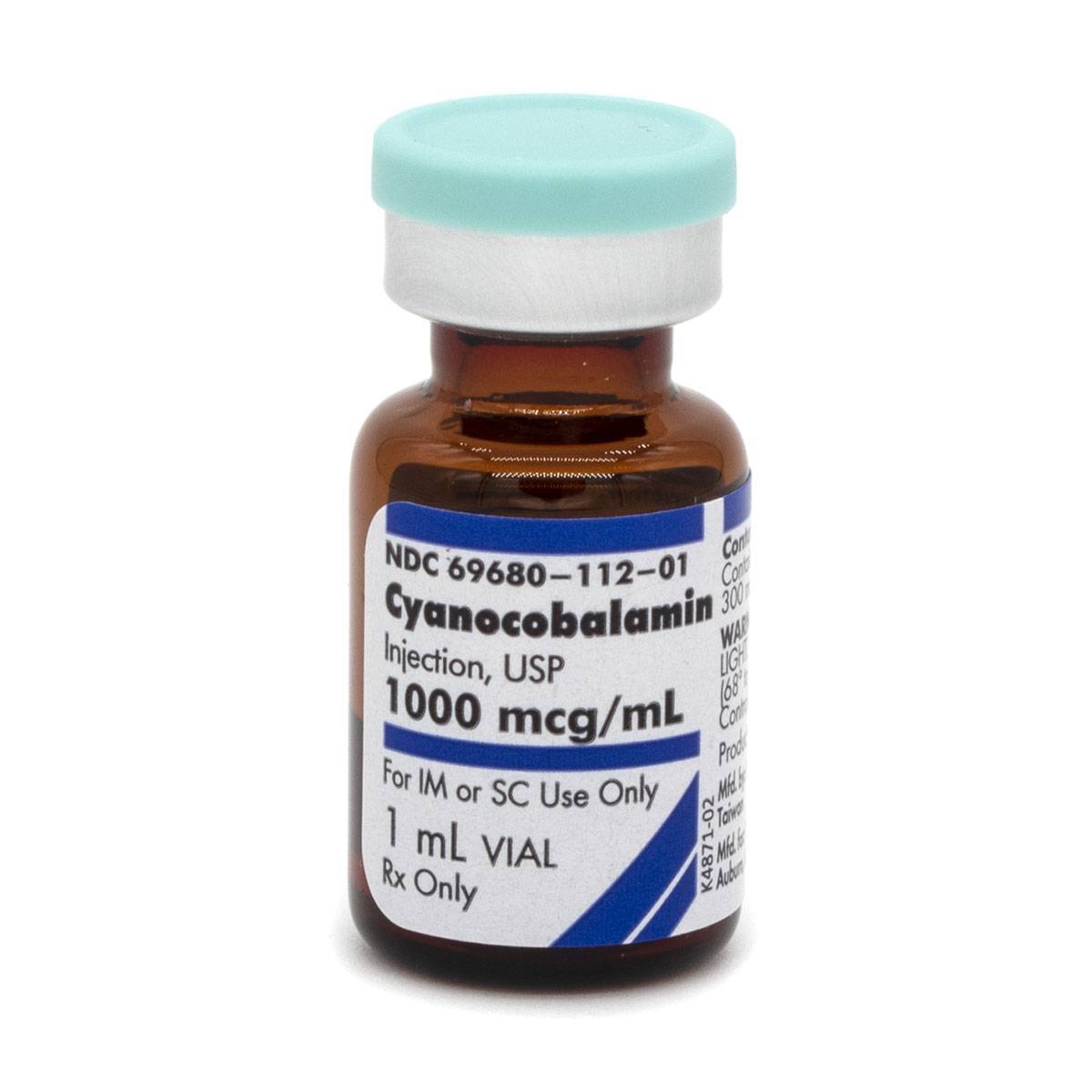
Practical note: Don’t use the image as a dosing guide. Concentration, volume, and labeling can differ between products and package sizes, and the correct dose depends on the individual pet and the veterinarian’s protocol.
Risks, limitations, and when B12 injections may not be enough
Trustworthy care requires realism: B12 injections can help, but they’re not universally effective for every cat or every cause of GI symptoms.
Possible downsides and side effects
While many pets tolerate B12 injections well, potential issues can include injection-site discomfort and, in some cases, GI changes related to the broader condition rather than B12 itself. Your veterinarian can tell you what’s expected for your pet’s specific diagnosis.
Why the underlying disease still matters
One lesson I learned the hard way during a case review: when a pet’s GI symptoms persist despite B12 therapy, owners sometimes conclude the injection “didn’t work,” when the real issue is that the cause wasn’t fully addressed. In chronic GI patients, B12 support is often a part of a multi-step plan—diet strategy, GI workup, and targeted treatment can all be necessary.
When to escalate care
Contact your veterinarian promptly if your pet shows worsening weakness, repeated vomiting that prevents hydration, severe diarrhea, signs of pain, or any reaction after an injection that concerns you.
Talking to your veterinarian: a checklist you can use
To make your next appointment more productive, I recommend bringing a few focused questions. This approach reduces guesswork and helps you align expectations.
- Diagnosis alignment: “Do you suspect malabsorption or confirmed B12 deficiency?”
- Monitoring: “Will we recheck B12 levels, and when?”
- Protocol: “What dosing schedule are you using for this stage—correction or maintenance?”
- Route and tolerability: “Which injection route are you using, and what side effects should I watch for?”
- Whole plan: “What other treatments or diet steps are needed to address the underlying GI condition?”
FAQ
Is a cat b12 injection safe to give at home?
Safety depends on the specific product concentration, the prescribed dose for your cat’s weight and diagnosis, and correct injection technique. For reliable results and to reduce risk, I recommend following your veterinarian’s exact instructions and using their guidance for injection training or administration. If you’re uncomfortable, ask the clinic about in-home administration support or continued in-clinic dosing.
How quickly should my cat improve after B12 injection?
Response time varies. Some cats show improved appetite or energy within days to a couple of weeks, while others need longer or require additional treatment for the underlying cause. If there’s no improvement after the time frame your vet expects, ask about next steps—reassessment, additional diagnostics, or adjusting the overall GI plan.
Can B12 injections replace a diet or GI treatment plan?
No. B12 injection can support deficiency or malabsorption, but it doesn’t treat the root cause of chronic GI symptoms. In my experience, the best outcomes come from pairing B12 support with a veterinarian-led plan for diagnosis and disease management (including diet and targeted therapy when indicated).
Conclusion: a practical next step for informed, effective care
Cyanocobalamin (Vit B12) injection for pets can be an effective supportive therapy when deficiency or malabsorption is part of the picture—especially in chronic GI conditions where a cat b12 injection may be favored over oral options. The key is pairing B12 therapy with an approach that addresses the underlying cause and using monitoring to confirm the plan is working.
Next step: Schedule (or revisit) a veterinary appointment with your B12 injection questions ready—specifically ask about the diagnosis behind the recommendation, the expected timeline for improvement, and whether follow-up labs or rechecks will be part of the protocol.
Discussion