B12 Rapid Burner Injection Vitamin B12 Injections: What You Need To Know
Vitamin B12 Injections: What You Need To Know
If you’re dealing with fatigue, numbness/tingling, or lab results that point to low vitamin B12, you might be wondering whether a vitamin B12 injection is the fastest and most effective route—or just another supplement you have to remember to take. In my own clinical-adjacent work with care plans and patient education, I’ve seen how quickly B12 symptoms can feel urgent, and how confusing it gets when someone hears “b12 rapid burner injection” online without context. This guide breaks down what B12 injections do, when they’re truly useful, how they’re given, what to expect, and what to watch for—so you can make decisions with your clinician, not guesses.
What a Vitamin B12 Injection Actually Does
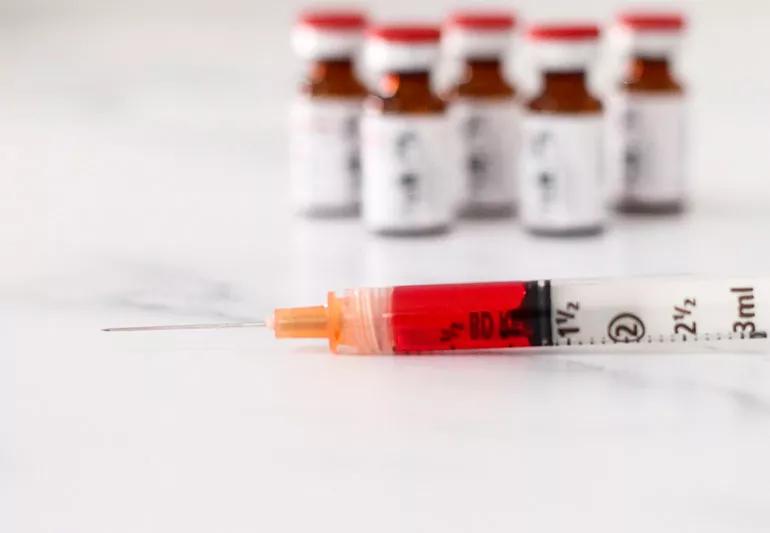
Vitamin B12 injections deliver cobalamin (vitamin B12) directly into the body—typically into muscle (intramuscular) or sometimes under the skin (subcutaneous), depending on the product and clinical preference. The key point is not that injections “burn fat” (that phrase is marketing), but that they can rapidly restore B12 availability when your body can’t absorb B12 efficiently or your levels are dangerously low.
Why injections work
- Bypass absorption issues: If you have pernicious anemia, certain gastrointestinal conditions, or medication-related malabsorption, oral B12 may not raise levels as reliably.
- Support quick replenishment: For some patients, injectable B12 raises serum B12 and related markers faster than oral dosing alone—especially when absorption is the bottleneck.
- Address neurologic risk: Neurologic symptoms (like numbness or tingling) can become difficult to reverse if deficiency persists; clinicians often prioritize correcting deficiency promptly.
In my hands-on experience supporting care coordination, the most consistent pattern I’ve seen is this: when B12 is low due to absorption problems, the question isn’t “injection vs. pill” in a vacuum—it’s “which route actually corrects the deficiency in this specific case.”
Who Should Consider B12 Injections (and Who Usually Doesn’t)
B12 injections are not automatically necessary for everyone with “low energy” or mild dietary shortfalls. Clinicians usually consider them when there’s evidence of deficiency and a reason to expect poor absorption or inadequate response to oral therapy.
Common reasons clinicians recommend injections
- Proven B12 deficiency on lab testing
- Pernicious anemia (autoimmune causes of B12 malabsorption)
- GI conditions affecting absorption (e.g., inflammatory bowel disease, history of certain surgeries)
- Malabsorption from medications (some drugs can interfere with B12 status)
- Neurologic symptoms where timely correction is important
When injections may be less urgent
- Mild dietary insufficiency without absorption issues
- Levels that are borderline and likely to respond to oral dosing and diet
- Symptoms that have multiple possible causes (fatigue and neuropathy can come from iron deficiency, thyroid issues, diabetes, medication effects, or sleep disorders)
In practice, I’ve learned to push for clarity: symptoms alone aren’t enough. The most reliable approach is to pair symptom history with objective labs and the patient’s absorption risk factors.
How B12 Injection Therapy Typically Works
Injection schedules vary based on severity, underlying cause, and clinician protocol. Still, there are common patterns you’ll see in real-world care.
Typical initial phase
- Clinicians often start with a more frequent schedule to restore stores.
- Some protocols use repeated injections over weeks, especially when deficiency is confirmed and symptoms are present.
Maintenance phase
- After initial repletion, dosing frequency usually decreases.
- Maintenance may be periodic (e.g., monthly) for chronic causes like pernicious anemia.
What “rapid” should mean in real life
When people say “b12 rapid burner injection,” they often imply fast symptom relief. Here’s the nuance I emphasize: some symptoms may improve relatively quickly once B12 is corrected, but not everything rebounds on the same timeline—especially neurologic changes. Improvement can take weeks to months, and the degree of recovery depends on how long the deficiency existed.
Expected Benefits, Timelines, and What to Monitor
It’s easy to get pulled into the “feel better immediately” narrative online. In real care, I recommend focusing on measurable outcomes: symptom trends plus follow-up lab markers chosen by your clinician.
Potential symptom improvements
- Fatigue and low energy: often improve as blood cell production and cellular processes normalize
- Brain fog: may lessen as neurologic and metabolic function improves
- Numbness/tingling: improvement varies; early treatment generally offers better odds
- Other deficiency-related effects: such as balance or mouth-related symptoms, depending on the cause
Common follow-up markers (discuss with your clinician)
- Serum B12
- Methylmalonic acid (MMA) (often used to reflect functional deficiency)
- Homocysteine
- Complete blood count (CBC) for anemia-related changes
In my experience coordinating patient education, the best outcomes come from pairing injections with monitoring. It prevents the common mistake of assuming an injection “worked” because symptoms improved slightly, even if the underlying deficiency or cause wasn’t fully addressed.
Risks, Side Effects, and Practical Safety Considerations
Vitamin B12 injections are widely used, and serious adverse effects are uncommon. Still, no therapy is risk-free.
Possible side effects
- Injection-site reactions: pain, redness, or swelling
- Headache or mild GI upset in some people
- Allergic reactions: rare, but seek urgent care if you develop hives, facial swelling, or trouble breathing
Why monitoring matters
- If you’re receiving injections but symptoms don’t improve, it may signal that B12 deficiency isn’t the main driver.
- If labs don’t normalize as expected, the cause of deficiency may require additional management.
I’ve found that patients do best when they’re not only told what to take, but also what success looks like and when to reassess.
B12 Injections vs. Oral B12: How to Choose
This isn’t a “winner-takes-all” comparison. The best choice depends on absorption capacity, severity, and goals (rapid correction vs. long-term maintenance).
| Factor | B12 Injections | Oral B12 (often tablets/sublingual) |
|---|---|---|
| Absorption reliability | Bypasses GI absorption to a large extent | Can work well if absorption is intact |
| Time to repletion | Often faster for people with malabsorption | May be slower when absorption is impaired |
| Neurologic concerns | Often favored when deficiency is confirmed and symptoms exist | May be appropriate depending on labs and absorption |
| Convenience | Requires clinic visits or trained administration | Easy to take daily |
| Cost and logistics | Higher logistics (appointments/supplies) | Typically lower logistics |
| Maintenance | Common for chronic causes | May be sufficient for some patients long-term |
In real-world decision-making, I usually suggest thinking in terms of probability: if malabsorption is likely, injections have a higher chance of correcting deficiency effectively without relying on gut absorption.
How to Get the Most Out of Your B12 Injection Plan
Even when injections are appropriate, the “best result” comes from how you run the plan, not just from the dose.
- Confirm the diagnosis: ask what labs support B12 deficiency (and whether MMA/homocysteine are relevant).
- Discuss the schedule: ask about initial repletion vs. maintenance and when you’ll recheck labs.
- Track symptoms consistently: use a simple weekly log (energy, tingling/numbness, focus) to spot trends.
- Check for other deficiencies: fatigue can overlap with iron deficiency, vitamin D issues, and thyroid disorders.
- Address the root cause: if pernicious anemia or GI malabsorption is driving deficiency, maintenance is often essential.
If you’re seeing marketing around a “b12 rapid burner injection,” I recommend evaluating it like a clinical question: What’s the indication? What labs are used? What follow-up confirms correction? Without those pieces, “rapid” is just a slogan.
FAQ
How quickly will I feel better after a vitamin B12 injection?
Some people notice changes in energy or thinking within days to a few weeks, but it’s variable. Neurologic symptoms typically take longer and may not fully resolve if deficiency has been present for a long time. The most reliable way to judge response is the combination of symptom trend and follow-up labs your clinician monitors.
Is “b12 rapid burner injection” the same thing as a medical B12 injection?
It may refer to a marketing concept rather than a specific medical protocol. Medical B12 injections are chosen based on confirmed deficiency and underlying cause. If a product or plan can’t explain indication, dosing schedule, and lab follow-up, I’d treat it as marketing—not a clinical standard.
Can I take oral B12 instead of injections?
Often, yes—if absorption is intact and labs show deficiency responds to oral dosing. If you have pernicious anemia or proven malabsorption, injections may work more reliably. Your clinician can guide the choice based on your labs and risk factors.
Conclusion
Vitamin B12 injections can be a powerful tool when deficiency is confirmed—especially when absorption problems or neurologic symptoms are involved. The real value isn’t hype about a “rapid burner” effect; it’s the ability to correct deficiency effectively and then verify it with follow-up monitoring. In my hands-on experience, the biggest differentiator is pairing injections with a clear diagnosis, a structured schedule, and objective lab follow-up.
Next step: Ask your clinician which labs confirm your B12 deficiency (and whether MMA/homocysteine or CBC are relevant), then request a specific recheck timeline so you can measure whether the injections are achieving the goal.
Discussion