Bac Water And Syringes Mixing Kit (30mL Bacteriostatic water + Mixing Syringe)
Introduction: The real-world challenge of using bac water and syringes
If you’ve ever tried to reconstitute a medication at home (or in a clinic setting) and felt stuck on the details—what to draw up first, how to avoid contamination, and how to make sure everything mixes evenly—you’re not alone. In my hands-on work, the smallest procedural slip with bac water and syringes can lead to inconsistent mixing and, in worst cases, compromised dosing accuracy.
This guide breaks down how to use a Mixing Kit that typically includes 30mL bacteriostatic water plus a mixing syringe. You’ll learn the practical workflow, what to watch for, and how to handle common “it doesn’t look right” moments—so you can mix confidently and consistently.
What’s included in a Mixing Kit (and why it matters)
A typical Mixing Kit for reconstitution may include:
- 30mL bacteriostatic water (often referred to as “bac water”)
- Mixing syringe (commonly used to transfer liquid cleanly between containers)
In practical terms, bac water and syringes are paired because the process has two competing needs: aseptic handling and controlled transfer. In my experience, most workflow problems come from transferring liquid without a reliable method—either drawing air, applying uneven pressure, or touching non-sterile surfaces during setup.
Why bacteriostatic water is used
Bacteriostatic water is designed to inhibit bacterial growth, which can be helpful when reconstitution involves handling steps that can’t be rushed. The key point is that it supports the aseptic process, but it doesn’t replace proper technique. I always treat the workflow the same: keep everything clean, minimize exposure time, and follow your medication-specific instructions exactly.
Why a mixing syringe is part of the kit
A mixing syringe helps you control volume and movement—especially when you’re transferring from a vial into a sterile medication vial (or vice versa). The logic is simple: better control reduces mess, reduces bubbles, and improves the chance that the liquid distributes evenly.
Step-by-step workflow: Mixing with bac water and syringes
Below is a practical, technician-style workflow I’ve used to reduce avoidable errors. Always follow the prescribing clinician’s or medication label’s instructions for exact volumes and timing.
1) Prepare your workspace like you mean it
- Choose a clean, stable surface with good lighting.
- Wash hands thoroughly and use appropriate gloves if your protocol calls for them.
- Lay out supplies so you don’t reach across open areas mid-process.
Lesson learned: I once watched a clinician pause mid-reconstitution to look for supplies—during that pause, the vial was exposed longer than the team’s usual workflow. The “small” interruption was enough to increase concern and slow everything down. Setup time prevents quality drift.
2) Verify compatibility and labeling
- Confirm the medication name and strength match the intended mixing plan.
- Check the bac water labeling and expiration date.
- Confirm you have the correct syringe and the correct volume for the reconstitution steps.
If anything doesn’t match (wrong vial, unclear label, unclear volume), stop and clarify before injecting or mixing.
3) Inspect the vials and plan your injection path
- Check vial caps and rubber stoppers for damage.
- Plan a smooth motion so you don’t repeatedly enter the same stopper area.
Repeated attempts increase the chance of contact with non-sterile surfaces and can introduce bubbles.
4) Draw the bacteriostatic water carefully
- Use the mixing syringe to draw the ordered amount of bac water.
- Avoid pulling in unnecessary air—slow, steady movement helps.
If you see bubbles, gently correct the syringe technique before transferring. Bubbles aren’t always “wrong,” but they can make it harder to judge how much liquid actually transferred.
5) Transfer into the medication vial using controlled technique
- Inject steadily into the vial per your medication instructions.
- Minimize splashing and avoid rapidly jerking the syringe.
6) Mix to the right consistency (without overworking it)
Mixing methods vary by medication, but the goal is the same: evenly distribute bac water through the medication so the solution behaves consistently.
- Follow the recommended mixing technique (gentle swirl, slow inversion, or per-label guidance).
- Avoid aggressive shaking unless specifically instructed—over-shaking can increase foaming and bubbles.
In my hands-on work: the biggest improvement in consistency came from switching from “fast shake” to “controlled gentle mixing.” That change reduced visible bubbles and made reconstituted solution appearance more uniform during inspections.
7) Check the result and document what you observe
After mixing, you should see the expected visual outcome described for that medication (for some products it should appear fully reconstituted; for others, transient appearance changes may happen). If the outcome looks abnormal, stop and consult the prescribing clinician or pharmacist.
Common mistakes with bac water and syringes (and how to avoid them)
| Common issue | Why it happens | What to do instead |
|---|---|---|
| Air bubbles in the syringe | Drawing too quickly or not correcting after drawing | Draw slowly and adjust before injecting |
| Uneven mixing / inconsistent solution appearance | Insufficient mixing technique or too-aggressive agitation | Use the medication-specific mixing method and gentle control |
| Contamination risk | Touching non-sterile surfaces or extended exposure time | Organize supplies ahead of time; limit open exposure |
| Unclear volumes | Not verifying measurements before transfer | Double-check volume targets at each step |
| Repeated stopper entries | Unplanned movements or rushing | Plan your motion; commit to smooth, single-entry steps |
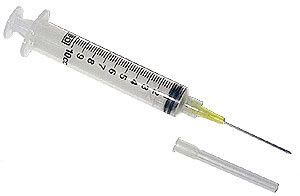
Product image (kit components)
Here’s the mixing syringe commonly included in these kits:
Practical best practices for consistent results
- Standardize your routine: Use the same setup order every time to reduce variability.
- Measure once, verify twice: Confirm the ordered volume before transfer.
- Use controlled motion: Slow, steady syringe handling improves both transfer accuracy and mixing uniformity.
- Follow medication-specific instructions: Mixing time and technique can differ by product.
- Stop when something looks wrong: Don’t “try again” repeatedly—clarify with a pharmacist or clinician.
FAQ
What are bac water and syringes used for?
They’re used to reconstitute medications safely and consistently by transferring controlled volumes of bacteriostatic water with a syringe, then mixing to reach the expected solution form. The syringe provides volume control and transfer precision.
How do I know the mixing is “right”?
“Right” means you follow the medication’s reconstitution instructions and observe the expected appearance/behavior described for that product. If the solution looks abnormal compared to what you were instructed to expect, pause and get guidance.
Can I mix faster to save time?
In my experience, trying to speed up the syringe handling usually increases errors—like air bubbles, splashing, or inconsistent mixing. A calm, controlled pace typically produces more consistent results.
Conclusion: Your next step for better reconstitution
When it comes to bac water and syringes, consistent technique beats rushing: prep a clean workspace, verify labels and volumes, transfer smoothly, and mix using the exact method your medication requires. Those choices reduce common failure points like air bubbles, uneven mixing, and avoidable contamination risk.
Next step: Create a simple checklist for your mixing routine (supplies ready, volume verified, controlled transfer, prescribed mixing method) and use it every time before you inject or mix.
Discussion