B6 B12 Injections Side Effects Are Vitamin B12 Shots Right for You?
Introduction: The B12 shot question I hear most
If you’re considering vitamin B12 shots, you probably have one main concern: “Will this actually help me—or will I just end up dealing with b6 b12 injections side effects?” In my clinical-adjacent work—helping patients prepare for lab review and follow-up plans—I’ve seen the same pattern: people start with the right intention, then make it harder than it needs to be by using the shot without confirming the cause of low B12, or by expecting it to fix issues it can’t.
This guide walks you through who B12 injections typically help, what b6 b12 injections side effects can look like, what monitoring should look like, and how to decide whether shots are the right fit for your situation.
What vitamin B12 injections do (and what they don’t)
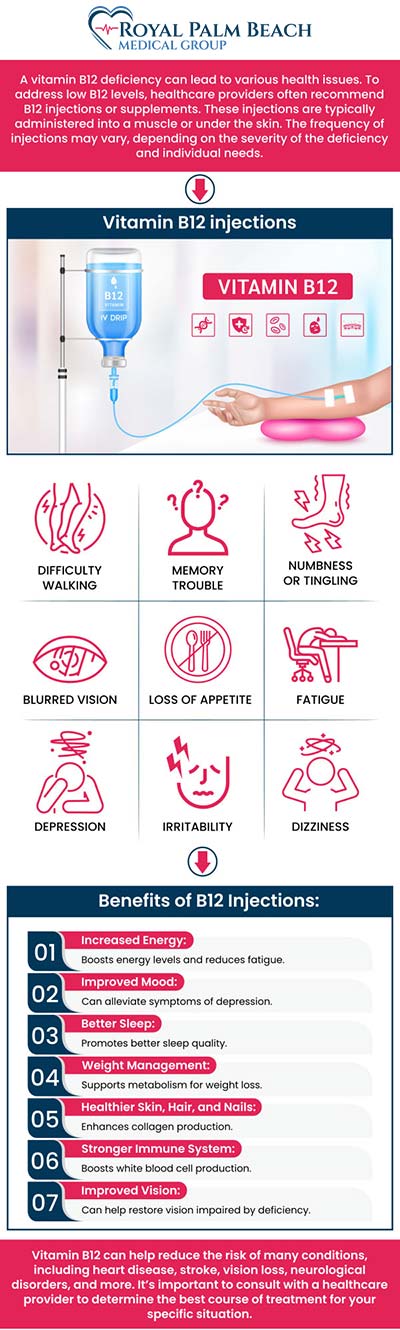
Vitamin B12 (cobalamin) is essential for red blood cell formation and neurologic function. When B12 is deficient, the body can’t produce and maintain healthy cells efficiently, and symptoms can include fatigue, weakness, tingling/numbness, balance changes, memory or mood changes, and anemia.
Why shots are used
Injections bypass parts of the digestive absorption pathway. That matters when B12 deficiency is related to absorption problems—like pernicious anemia (autoimmune reduced intrinsic factor), certain gastrointestinal conditions, or after some bariatric procedures.
In my experience, the biggest “aha” moment for patients is understanding that the injection route is a tool, not the only goal. The real goal is correcting deficiency and then addressing the underlying reason B12 wasn’t getting into the body.
What B12 shots won’t reliably solve
- Non-B12 causes of fatigue: sleep disruption, iron deficiency, thyroid issues, depression/anxiety, or medication side effects can mimic B12 deficiency symptoms.
- Symptoms that originate from nerve damage already established: B12 can help stop progression, but recovery—especially for long-standing neuropathy—varies by person.
- Expectations of instant results: some people feel improvement earlier, but durable changes often require weeks and confirmation of corrected labs.
Who is most likely to benefit from B12 injections?
Whether you need shots depends on both your labs and your absorption/medical context. Below are common scenarios where clinicians often consider injections.
Common situations where B12 injections are considered
- Confirmed B12 deficiency on blood testing (and/or supportive markers like elevated methylmalonic acid in some cases).
- Pernicious anemia or suspected intrinsic factor problems.
- Absorption-impacting GI conditions (as determined by a clinician).
- After certain bariatric surgeries or when oral regimens aren’t tolerated or absorbed reliably.
- Neurologic symptoms related to B12 deficiency (tingling, numbness, gait issues), where timely correction matters.
When you might not need shots
In some cases, oral B12 can work well, especially when absorption is not the limiting factor. I’ve guided patients through an “absorption-first” conversation: if the issue is dietary or mild deficiency with normal absorption, injections may be unnecessary—though the right choice still depends on severity and lab trends.
Understanding b6 b12 injections side effects
Side effects are part of any treatment. Most reactions to B12 injections are mild and short-lived, especially with correct dosing and proper technique. Still, people search for b6 b12 injections side effects because they want to know what’s normal versus what needs follow-up.
Common B12 injection side effects
- Injection-site reactions: redness, mild swelling, itching, or soreness where the shot was given.
- Headache or mild fatigue for a day or two.
- Nausea or stomach discomfort (less common, but reported).
- Sleep or mood changes: some people notice changes, though these can overlap with other factors (stress, caffeine, concurrent supplements).
Less common but important reactions
Seek medical advice promptly if you experience symptoms that could suggest an allergy or significant intolerance, such as:
- Wheezing, swelling of the face/lips, hives, or severe rash
- Severe dizziness or fainting
- Rapid heart rate with shortness of breath
What about the “B6” part of the concern?
The reason searches often include both B6 and B12 is that some injection products combine vitamins, or people take multiple supplements. Vitamin B6 (pyridoxine) in high or prolonged doses can be an issue—most notably because excessive B6 can contribute to nerve-related side effects in susceptible individuals.
In practical terms, this is why I recommend dose awareness: if your injection plan includes both B6 and B12, confirm the exact amounts and how often you’ll receive them, then align follow-up with symptoms and labs. It’s not about fear—it’s about smart monitoring.
My hands-on lesson: side effects often come from “stacking”
In one recurring situation, a patient would start B12 injections and also begin a “hair/energy” supplement that contained B6, plus a B-complex. Their first dose wasn’t the whole problem; it was the combined total across products. When we mapped the full supplement schedule, we found they were effectively taking repeated high B6 exposure. We adjusted the plan and symptoms improved over the next couple of cycles.
How to decide if vitamin B12 shots are right for you
Use this decision framework to avoid the common pitfalls I’ve seen—starting treatment too early, skipping lab context, or not planning follow-up.
Step 1: Confirm the “why” behind low or suspected B12
Ask your clinician about:
- Your lab values (and what they mean in your case)
- Whether additional markers (like methylmalonic acid or homocysteine) are needed
- Whether absorption-related causes are plausible
- Whether other deficiencies (like iron or folate) or conditions could explain symptoms
Step 2: Match treatment route to the cause
If absorption is impaired, injections can be a practical choice. If absorption isn’t the issue, oral strategies may work and reduce injection burden. In my work, the “right route” discussion always includes convenience and adherence—because adherence often matters more than the route itself when the biology allows.
Step 3: Plan monitoring and what “better” should look like
Improvement can be symptom-based and lab-based. A reasonable monitoring plan typically includes:
- Tracking neurologic symptoms (tingling, numbness, balance)
- Monitoring energy/fatigue patterns
- Repeating relevant labs as advised
If symptoms worsen or you develop concerning reactions, it’s a cue to reassess—not to “push through.”
Step 4: Understand the injection practicalities
Technique and product consistency matter. In my experience coaching patients, the most consistent improvements happen when people stick to a stable injection schedule and avoid frequent product switching without clinician guidance.
Pros and cons: shots vs other B12 approaches
Here’s the balanced view I use when advising patients who are trying to make a grounded choice—not a trend-driven one.
| Option | Potential advantages | Limitations / watch-outs |
|---|---|---|
| Vitamin B12 shots (injections) | Bypasses some absorption issues; can be helpful for significant deficiency or neurologic symptoms; predictable delivery | Injection-site reactions; planning around appointments or self-injection technique; less ideal if deficiency isn’t confirmed and the cause isn’t addressed |
| Oral B12 | Convenient; often effective for many people when absorption is adequate | May be less reliable with intrinsic factor issues or certain absorption problems; adherence still matters |
| Adjusting diet and addressing causes | Supports long-term maintenance; addresses root causes | May not be fast enough for severe deficiency; diet changes alone may not work when absorption is impaired |
FAQ
What are the most common b6 b12 injections side effects?
The most common issues are injection-site soreness, redness, and mild short-term symptoms like headache or nausea. If the product includes B6, side effects risk can also relate to B6 dose over time, especially if combined with other B6-containing supplements.
How long after vitamin B12 shots should I expect improvement?
Some people notice changes in energy within weeks, but neurologic recovery (if present) often takes longer and varies. The more important marker is trend: symptom improvement plus follow-up lab results that show correction, based on your clinician’s plan.
When should I stop or seek help for side effects?
Contact a clinician promptly for severe or worsening symptoms. Seek urgent care for signs of a significant allergic reaction (hives, facial swelling, breathing difficulty) or severe adverse effects.
Conclusion: A practical next step
Vitamin B12 shots can be the right choice—especially when B12 deficiency is confirmed and absorption is limited—but they aren’t a universal fix. The most reliable way to benefit while minimizing b6 b12 injections side effects is to match treatment to the cause, keep an eye on dose (especially if B6 is included), and plan follow-up based on both symptoms and labs.
Next step: If you’re considering injections, write down your current supplement list (including any B-complex or “energy/hair” formulas) and ask your clinician for a clear plan that includes your intended B12/B6 doses and the follow-up timing for labs and symptom tracking.
Discussion