Can B12 Injections Make You Gain Weight Understanding The Benefits of B12 Shots for Weight Loss
Trying to lose weight while feeling low-energy and run-down is frustrating—especially when you keep seeing claims that B12 shots “boost fat loss.” One question I hear constantly in my work with clients is: can B12 injections make you gain weight?
In this guide, I’ll walk you through what B12 injections actually do in the body, what the evidence does (and doesn’t) suggest for weight loss, and how to think about safety and expectations. I’ll also share the practical checks I use when someone wants to try B12 as part of a weight-loss plan.
First, what B12 injections are—and what they aren’t
Vitamin B12 (cobalamin) is essential for red blood cell formation and for maintaining healthy nerve function. It also plays a role in energy metabolism—your body uses B12-dependent pathways to help convert food into usable energy.
In clinical practice, B12 injections are typically used when someone has low B12 status or can’t absorb B12 well through diet or oral supplements (for example, certain gastrointestinal conditions, or specific absorption issues). When B12 is truly deficient, correcting that deficiency can improve symptoms like fatigue, weakness, or “brain fog.”
What B12 injections usually don’t do is directly “melt fat.” For weight loss, the fundamentals still matter: calorie balance, protein adequacy, strength training (or another resistance stimulus), sleep, and adherence. B12 may support the process indirectly by improving energy and allowing someone to engage more consistently in movement and routines.
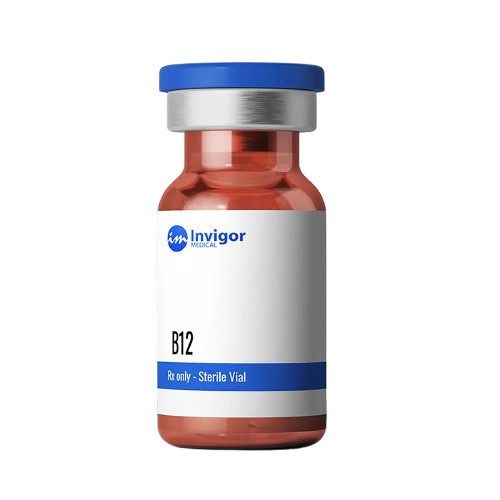
Can b12 injections make you gain weight?
Short answer: they’re not typically a cause of weight gain when used appropriately to treat low B12 levels. However, the situation gets more nuanced once you connect the dots between deficiency, energy, appetite, and the real-world reasons people start injections.
Why B12 injections usually don’t cause weight gain
- B12 isn’t a calorie source. It doesn’t add energy to your diet like carbs or fats do.
- B12 is a cofactor. It helps your body run processes already dependent on it; it doesn’t function as a “fat-storage hormone.”
- Correcting deficiency can increase activity. If someone had fatigue from low B12, improving levels can help them move more—which generally supports weight management.
When people think B12 caused weight gain
In my hands-on work, the “B12 made me gain weight” story usually traces back to one of these patterns:- Appetite changes after fatigue improves: When energy returns, some people eat more because they feel hungrier or start activity more—so weight changes reflect the overall lifestyle shift, not B12 itself.
- Timing coincidences: Weight can fluctuate due to stress, sleep disruption, menstrual cycle changes, training volume changes, or holiday eating. The injection date becomes the “blame point.”
- Underlying conditions: Low B12 sometimes travels alongside other issues (diet quality gaps, gut absorption problems, thyroid concerns, medications). Weight changes may be driven by those factors.
The practical expectation I set with clients
I tell people to treat B12 injections like a diagnostic and deficiency-correction tool, not a direct weight-loss treatment. If B12 is low, you may feel better. If B12 is normal, you may feel nothing—while weight change is more likely tied to diet, sleep, activity, and metabolic health factors.B12 shots for weight loss: what benefits are realistic?
When people ask about “B12 shots for weight loss,” they usually mean one of two things: (1) will it help them shed pounds, or (2) will it help them feel better enough to stick with weight-loss behaviors. Here are the benefits that are most plausible and most commonly seen when B12 deficiency is involved.
1) Improved energy and reduced fatigue (indirect weight-loss support)
Low B12 can contribute to fatigue. When deficiency is corrected, clients often report better energy or fewer “low battery” days. In real routines, that can translate into:
- More consistent walking or workouts
- Better training quality (not just showing up)
- More ability to maintain a structured meal plan
In my experience, this is the most credible “weight loss” pathway—not fat burning from the injection itself.
2) Better adherence because symptoms improve
Weight loss is largely behavioral. When you’re tired, it’s harder to plan meals, cook, exercise, and manage stress. Correcting B12 can reduce barriers—so adherence improves. Over weeks, adherence drives outcomes.
3) Addressing a deficiency you might not know you have
One of the biggest practical advantages of checking B12 status is avoiding the “guessing game.” If you don’t have deficiency, repeated injections may be unnecessary. If you do have deficiency, correcting it supports overall health—alongside your weight-loss efforts.
How to use B12 injections responsibly (what I look for)
If you’re considering B12 shots specifically because of weight loss goals, I recommend a structured approach. This is the same way I help clients reduce wasted time and avoid preventable mistakes.
Step 1: Check whether B12 is actually low
Ask your clinician about labs such as serum B12. In some cases, additional markers (like methylmalonic acid or homocysteine) may help clarify functional B12 status. If your B12 is already normal, the odds of meaningful change are lower.
Step 2: Match the treatment to the cause
Low B12 can come from absorption issues, dietary gaps, or other medical factors. If absorption is the problem, injections may be part of the plan; if diet is the problem, oral supplementation and nutrition changes may work better.
Step 3: Pair B12 with a real weight-loss strategy
Even if you feel better after correcting deficiency, you’ll still need:
- Calorie targets (or a consistent deficit approach)
- Protein to protect muscle during weight loss
- Resistance training or a structured strength program
- Sleep and stress management to support appetite regulation
Step 4: Track outcomes like an adult—measure, don’t guess
I use simple, measurable tracking because it clarifies cause and effect:
- Body weight trend (weekly average, not single-day readings)
- Waist or circumference measurements
- Training consistency (sessions per week)
- Energy/fatigue rating (short daily or weekly notes)
This helps you tell whether any “weight gain” is actual fat gain or normal fluctuations from water, stress, or training.
Safety and limitations: the honest perspective
B12 injections are widely used, but that doesn’t mean “more is always better.” Here’s the balanced view I share with clients.
Potential downsides and who should be cautious
- Not everyone benefits: If you’re not deficient, injections may not improve symptoms.
- Side effects can occur: Injection-site discomfort or mild reactions can happen.
- It’s not a substitute for medical evaluation: If weight gain is unexplained, fatigue is persistent, or there are other symptoms, you’ll want to identify the underlying cause.
Limitations for weight loss claims
Most weight-loss results come from changing intake and activity. B12 can be part of the “support system” if deficiency is present, but it shouldn’t replace evidence-based strategies. If someone is promising weight loss purely from B12 shots regardless of diet and behavior, I consider that a red flag.
FAQ
How long does it take to notice any effects from B12 injections?
If B12 deficiency is present, some people notice changes in energy or well-being within days to a couple of weeks. Weight changes, if they happen, generally reflect broader lifestyle shifts and are typically measured over weeks.
If I gain weight after starting B12 shots, does that mean the injections caused it?
Not necessarily. The timing can be coincidental, and weight fluctuations can occur from water retention, sleep changes, stress, menstrual cycle, or changes in appetite and activity. A week-to-week trend and symptom tracking are more informative than a single scale reading.
Who is most likely to benefit from B12 injections?
People with confirmed or likely B12 deficiency, especially when absorption issues or dietary inadequacy are involved. If B12 levels are normal, the likelihood of meaningful benefit is lower.
Conclusion: use B12 shots for the right reason
B12 shots are best understood as a deficiency-correction and symptom-support approach—not a direct fat-loss treatment. That’s why the question can b12 injections make you gain weight is usually answered with: they don’t typically cause weight gain when appropriately indicated, but lifestyle and appetite changes (or unrelated factors) can make weight go up during the same period you start injections.
Next step: If you want to try B12 for weight-loss support, start by having your B12 status assessed (and discuss the cause). Then pair any treatment with a concrete plan for calories, protein, training, and sleep—track a weekly trend so you can see what’s actually driving results.
Discussion