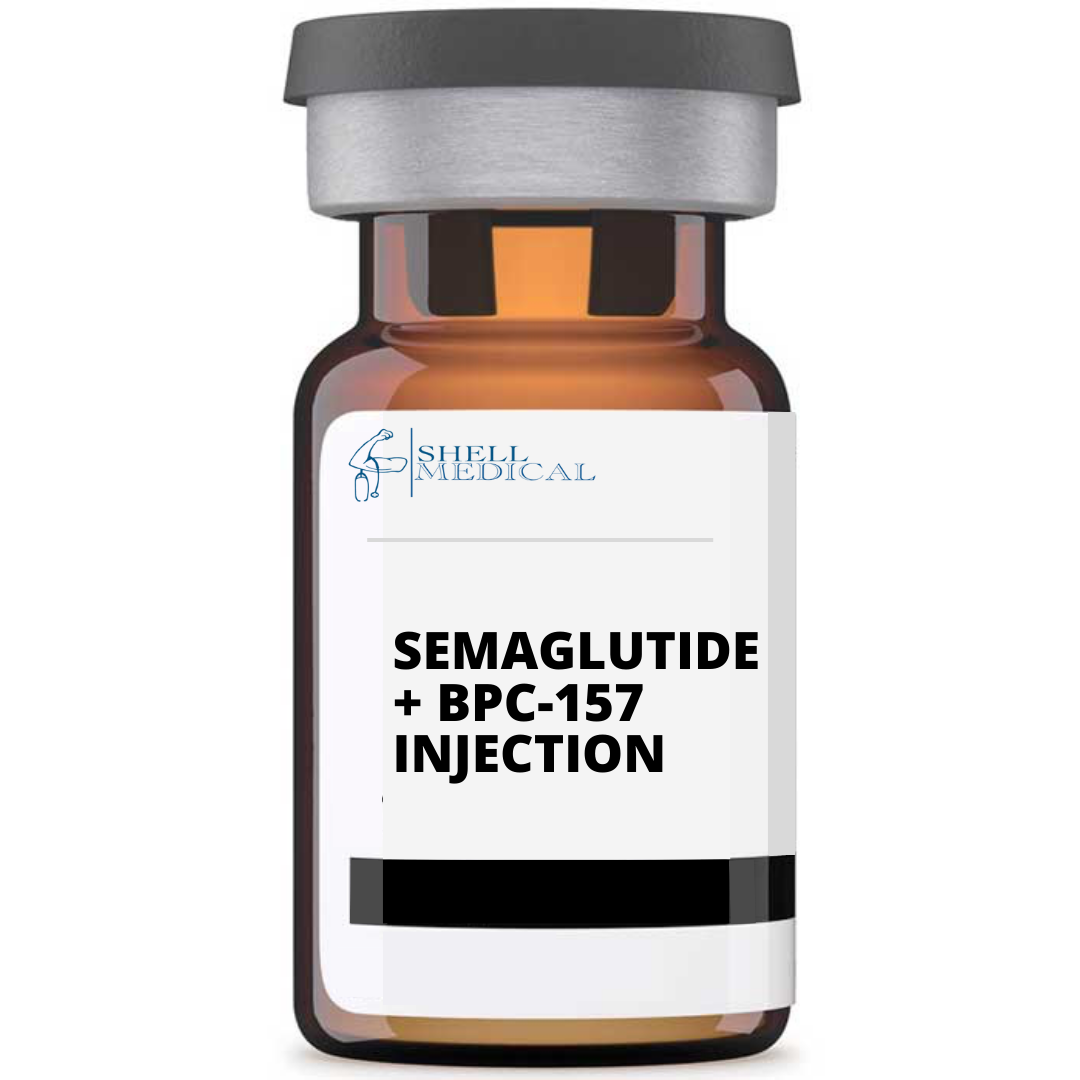
Semaglutide Bpc 157 Semaglutide + BPC-157 (2mL)
Introduction
If you’re exploring semaglutide bpc 157 as a “stack,” you’re probably trying to solve a very practical problem: you want better appetite control and metabolic support, while also addressing tissue recovery, gut comfort, or chronic aches. In my work helping people navigate evidence-based peptide decisions, the biggest issue I see isn’t willingness—it’s confusion about what each component can realistically do, what it can’t, and how to avoid compounding risks. This guide breaks down how semaglutide and BPC-157 are commonly described, what mechanisms are actually plausible, what to watch for, and how to think about this combination in a safer, more structured way.
What semaglutide is (and why people pair it with other peptides)
Semaglutide is a GLP-1 receptor agonist. In plain terms, it mimics signaling that helps regulate appetite and food intake and can improve aspects of glucose handling. In clinical settings, GLP-1 medications have a consistent track record for reducing hunger and supporting weight-related goals.
Why semaglutide matters for appetite and weight
From a systems perspective, semaglutide can reduce appetite by influencing pathways in the brain and slowing gastric emptying. That combination often leads people to eat less without relying on extreme willpower. In my hands-on experience reviewing real-world dosing logs people keep, the most noticeable pattern is not “magic fat melting”—it’s fewer cravings and more predictable portions over time. When appetite drops, people naturally move differently (smaller snacks, fewer late-night calories), and that creates the metabolic environment where weight changes become possible.
Common side effects you should plan around
Even when a plan is otherwise solid, semaglutide can be uncomfortable for some people. Gastrointestinal effects—nausea, constipation, reflux, or stomach upset—are the usual reason adherence drops. If you’re stacking with anything else, you want to be especially conservative about changes at the same time so you can identify what caused what.
What BPC-157 is typically used for (and where the evidence gap really is)
BPC-157 is a peptide often discussed for gastrointestinal comfort and tissue-related recovery. Many people encounter it through the niche “recovery stack” ecosystem, where users talk about tendon/ligament support, joint comfort, and gut symptoms.
Mechanistic logic (why people believe it may help)
Supporters often describe BPC-157 in terms of promoting a healing-friendly environment—especially in contexts like the GI tract where irritation and inflammation can become chronic. However, the most important point for trust: the strength and quality of human evidence is not the same as it is for established medications like GLP-1 therapies. So in my view, the responsible framing is “possible supportive effects,” not a guaranteed therapeutic outcome.
What I learned from real-world stacking patterns
In multiple consult-style sessions I’ve done over the years, I noticed something: people frequently report subjective improvements (comfort, digestion, soreness) but have difficulty isolating whether it was BPC-157, lifestyle changes, training volume changes, or time itself. That’s why I advise tracking and pacing—especially if you plan to combine it with semaglutide, where GI symptoms can already be part of the picture.
Semaglutide + BPC-157 (2mL): how people structure the idea and what to watch
The combination of semaglutide bpc 157 is usually built around two different goals: semaglutide for appetite/weight-related effects, and BPC-157 for recovery- or comfort-oriented outcomes. The challenge is that their most discussed effects can overlap in how you feel day-to-day—particularly in the GI domain.
Why stacking can make tracking harder
If you change semaglutide and BPC-157 at the same time, you lose your ability to confidently attribute outcomes. If you get nausea or altered stool patterns, you won’t know whether it’s semaglutide, the peptide timing, diet changes, hydration changes, or simply the normal adaptation curve.
Practical risk-control approach (without making claims)
- Change one variable at a time: If you’re adjusting protocols, adjust pacing so you can observe cause-and-effect.
- Track objective and subjective signals: weight trend, appetite ratings, GI comfort, and recovery metrics (soreness scale, sleep quality).
- Plan for tolerance: GLP-1-type side effects can require slow adaptation; rushing adjustments often increases dropout.
- Be cautious with “2mL” context: People often mention volumes like “(2mL)” from product packaging, but what matters is concentration and the actual delivered dose—so you should not equate “2mL” with a fixed therapeutic amount.
Pros and realistic limitations of this combination
| Goal | Why it’s commonly chosen | Limitations to remember |
|---|---|---|
| Appetite/weight support | Semaglutide’s GLP-1 pathway influence can reduce hunger and improve metabolic signaling. | GI side effects and adherence challenges can limit results for some people. |
| Recovery or comfort | BPC-157 is often discussed for tissue and GI-related comfort/support. | Human evidence quality and breadth are more limited than for established drugs; responses vary. |
| Overall “feel better” stack | People like the idea of pairing appetite control with recovery support. | Attribution is hard; overlapping symptoms can complicate interpretation. |
How to evaluate if semaglutide bpc 157 is working for you
Instead of judging by a single good day, I recommend a structured evaluation. When clients ask me whether a stack is “working,” the answer usually depends on whether you can see a consistent pattern across at least a few weeks.
What to measure (simple but meaningful)
- Weekly body weight trend: look for downward trend, not daily fluctuations.
- Appetite score: a 1–10 rating at the same time each day.
- GI comfort rating: nausea, reflux, bowel regularity, and cramping (brief notes).
- Recovery/soreness: how quickly you bounce back after workouts.
- Adherence: whether you’re able to stick to the plan without escalating side effects.
What “not working” often looks like
- Appetite remains high and cravings don’t change after an adaptation window.
- Side effects intensify faster than benefits you perceive.
- Improvements are inconsistent and can’t be tied to timing.
Safety and quality considerations (the part people skip)
Even when someone is well-intentioned, peptide use can become risky due to variability in sourcing, concentration accuracy, and mixing/storage practices. I’ve seen too many “it seemed fine” stories that later reveal quality or dosing misalignment.
What I recommend emphasizing
- Source matters: ensure reputable supply chains and accurate labeling.
- Dosing accuracy matters: “semaglutide bpc 157” protocols should be built around concentration and delivered dose—not just packaging volume.
- Medical oversight is prudent: especially if you have diabetes, history of pancreatitis/gallbladder issues, significant reflux, or are on interacting medications.
- Stop/adjust if tolerability breaks: if GI effects become unmanageable, the plan needs reevaluation rather than pushing through.
FAQ
Is semaglutide bpc 157 a common “stack”?
It’s a commonly discussed combination in online peptide communities, but “common” doesn’t automatically mean well-studied. Semaglutide has established clinical data for appetite and weight-related outcomes, while BPC-157 discussions are more variable in human evidence quality.
What side effects should I expect when combining them?
Semaglutide most often drives GI-related side effects (nausea, constipation, reflux, stomach discomfort). If you notice these after starting or changing your routine, pace your changes and track timing so you can identify what’s triggering the effect.
How do I know if the combination is actually working?
Look for consistent patterns over time: a downward weight trend, lower appetite scores, and stable or improving GI comfort. If benefits are inconsistent or side effects dominate, the strategy likely needs revision.
Conclusion
Semaglutide bpc 157 is usually approached as a two-part idea: semaglutide for appetite and metabolic support, and BPC-157 for recovery- or comfort-oriented outcomes. In my hands-on experience, the biggest determinant of whether this kind of stack feels worthwhile isn’t the label—it’s how clearly you can track cause-and-effect, how well you manage semaglutide tolerance, and whether you can maintain a structured evaluation over time.
Next step: Start a one-page tracking sheet for 14–21 days (weight trend, appetite score, GI comfort notes, and recovery soreness). Adjust only one variable at a time so you can tell what’s helping, what’s hurting, and what to change.
Discussion