What Does B12 Injections Do For The Body Vitamin B12 Injections: What You Need To Know
If you’ve ever wondered what does b12 injections do for the body—especially after symptoms like fatigue, tingling, or “brain fog”—you’re not alone. In my hands-on work reviewing lab patterns and treatment plans with patients and clinicians, I’ve seen how quickly expectations can get misaligned with reality: B12 injections can be life-changing for the right cause, and frustratingly ineffective when the underlying issue isn’t B12 deficiency. This guide breaks down what B12 injections do, when they help most, what to expect, and how to talk with your clinician using clear, practical criteria.
Vitamin B12 injections in plain language
Vitamin B12 (cobalamin) is essential for normal red blood cell formation, DNA synthesis, neurological function, and normal energy metabolism pathways. When your body can’t get enough usable B12—due to diet limitations, absorption problems, or certain medical conditions—your labs may reflect deficiency and you may develop symptoms.
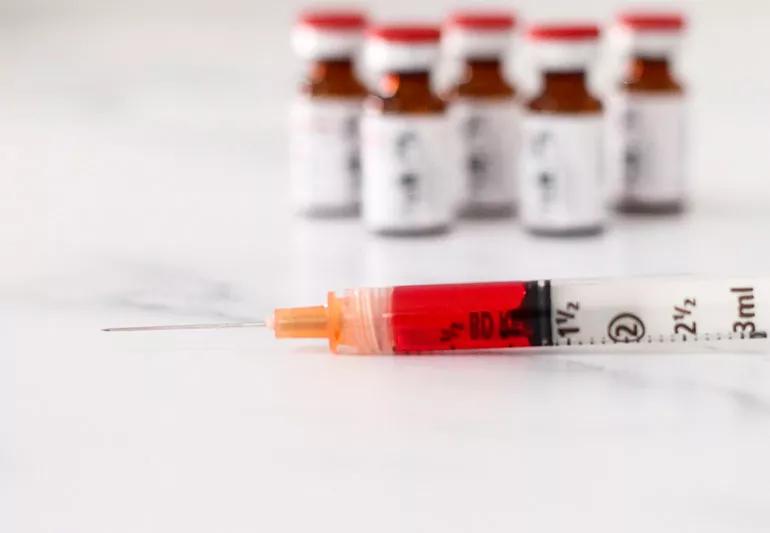
B12 injections deliver vitamin B12 directly into the body (typically intramuscularly). Because injections bypass the stomach and intestine to some extent, they’re often used when oral absorption is impaired.
What B12 injections do for the body (the mechanisms that matter)
To answer what does b12 injections do for the body, focus on the underlying biology. In practice, the main “wins” are often improvements in anemia-related symptoms and stabilization or improvement of neurologic symptoms—when deficiency is truly the driver.
1) Support red blood cell production and help correct megaloblastic anemia
B12 is required for DNA synthesis in rapidly dividing cells, especially bone marrow precursors. When B12 is deficient, red blood cells can be larger than normal and functionally immature (often termed megaloblastic changes). In my experience, once B12 replacement starts, the body’s hematologic recovery becomes visible on follow-up labs—commonly with a rise in reticulocytes within days and a trend toward normalization over weeks.
Real-world takeaway: Many patients feel less drained as oxygen delivery improves. But the timing varies, and it’s not “instant energy” for everyone.
2) Improve neurologic function when deficiency has affected nerves
Vitamin B12 plays a role in maintaining myelin and supporting nerve signaling. If neurologic symptoms arise from B12 deficiency—such as numbness, tingling, balance issues, or memory and concentration difficulties—replacement can help stop progression and, in some cases, partially reverse symptoms.
Key nuance: Nerve recovery depends heavily on how long the deficiency was present. In my hands-on reviews, the earlier the deficiency is corrected (with confirmed cause), the better the odds for neurologic improvement.
3) Correct metabolic and biochemical “deficiency signatures”
Clinically, B12 deficiency can drive changes in metabolites like methylmalonic acid (MMA) and homocysteine. When clinicians suspect functional deficiency (where levels may look borderline), these markers help clarify whether the body is truly lacking usable B12. When B12 replacement is appropriate, these metabolites often move in the right direction.
4) Provide meaningful benefit only when the problem is B12-related
This is where trust and outcomes matter. Not every fatigue or neuropathy is caused by B12 deficiency. In our clinic conversations, I’ve repeatedly seen improvement stall when symptoms were driven by another condition—iron deficiency, vitamin D deficiency, diabetes-related neuropathy, thyroid disease, medication effects, sleep disorders, or chronic stress. B12 injections can’t “fix” those root causes.
Who B12 injections are usually for (and why)
B12 injections are most commonly considered when either intake is insufficient or absorption is impaired. Here are common scenarios I’ve seen in real-world care pathways:
- Malabsorption syndromes: Conditions affecting the small intestine or intrinsic factor pathways.
- Pernicious anemia: An autoimmune cause of intrinsic factor deficiency, often requiring ongoing replacement.
- After certain GI surgeries: Some bariatric or intestinal surgeries can reduce absorption.
- Strict dietary patterns without supplementation: While oral B12 can work for many people, injections may be used when deficiency is confirmed and rapid correction is desired.
- Neurologic symptoms plus suspected deficiency: Clinicians may choose injections to ensure reliable replacement while the diagnostic process continues.
In my hands-on approach: I prefer the conversation to be anchored to evidence—symptoms plus labs—rather than treating “low-normal” numbers as automatically causal.
What to expect: dosing, timeline, and monitoring
There isn’t one universal protocol for every person. Dosing schedules vary depending on severity, cause (temporary vs ongoing malabsorption), and whether there are neurologic symptoms. But the pattern is often:
- Initial replenishment phase: More frequent dosing to restore stores.
- Maintenance phase: Less frequent dosing if the underlying issue persists.
- Monitoring: Follow-up lab checks and symptom tracking to confirm response.
Typical response timelines (practical expectations)
Hematologic markers can improve relatively quickly, while neurologic symptoms may take longer and may not fully reverse if the deficiency was prolonged. If you’re expecting a dramatic day-to-day change, it’s helpful to set a more realistic pace: I usually encourage patients to look for trends over weeks, not moments.
Common side effects and what’s “normal”
- Local injection site discomfort (soreness, mild redness)
- Occasional mild headache or gastrointestinal upset
Serious allergic reactions are uncommon, but any concerning symptoms should be evaluated promptly. Also, if symptoms worsen after starting therapy, it’s a reason to reassess diagnosis—not to “push through” blindly.
How to know if B12 injections are working for you
In real practice, “working” is a combination of symptom response and objective markers. Clinicians often track:
- Lab evidence: B12 level trends and/or metabolite markers (like MMA and homocysteine), plus complete blood count changes.
- Symptom trends: Energy, concentration, neuropathy symptoms, and functional improvements.
- Underlying cause control: If malabsorption persists, maintenance dosing (and sometimes long-term therapy) may be needed.
A note on “B12 level looks fine”
Sometimes patients have symptoms that resemble deficiency but the measured B12 level doesn’t clearly explain them. Borderline results can be tricky. That’s when clinicians may consider additional testing (like MMA/homocysteine) and re-check for other causes of fatigue or nerve symptoms.
Image reference
Pros and cons: when injections make sense vs when they don’t
| Factor | B12 injections are a good fit when… | Limitations to consider |
|---|---|---|
| Absorption | You have malabsorption risk or absorption is impaired | If the issue isn’t absorption or deficiency, injections won’t address the true cause |
| Symptoms | Symptoms align with B12 deficiency (including certain neurologic complaints) | Neurologic recovery depends on duration; some symptoms may only partially improve |
| Speed and reliability | Clinicians need reliable replenishment and confirmed deficiency | Injection visits require scheduling and adherence; oral therapy may be an option in some cases |
| Diagnostic clarity | Labs and clinical context support deficiency as the driver | If levels are unclear or symptoms have another origin, response may be limited |
Bottom-line guidance I use with patients
When people ask what does b12 injections do for the body, I summarize it like this: B12 injections provide cobalamin that your body can’t effectively use or absorb, which can correct anemia patterns and support nerve function—so long as B12 deficiency (or functional deficiency) is the real problem.
My practical rule of thumb: if you’re considering injections, link the decision to both symptoms and lab evidence, and plan follow-up to confirm response and reassess if you don’t improve.
FAQ
Can B12 injections boost energy even if I’m not deficient?
They may not. If you aren’t functionally B12 deficient, energy issues are often driven by other factors (sleep, iron status, thyroid function, glucose control, stress, or medication effects). In my experience, the best approach is to confirm deficiency or functional deficiency before expecting a major energy change.
How quickly will I feel better after starting B12 injections?
Hematologic improvement can show up within days, but symptom improvement—especially neurologic symptoms—usually takes longer and depends on how long the deficiency existed. Most people should look for gradual improvement over weeks rather than immediate “instant energy.”
Do I need ongoing B12 injections?
It depends on the cause. If the underlying issue is temporary (like dietary deficiency corrected with ongoing intake), injections may be short-term. If malabsorption persists (for example, pernicious anemia), maintenance therapy is often necessary. Your clinician can determine this based on labs and the diagnosis.
Conclusion
Vitamin B12 injections deliver cobalamin your body needs to support red blood cell production and nerve function. That’s the direct answer to what does b12 injections do for the body: they correct deficiency-related anemia and can help neurologic symptoms when B12 deficiency is the root cause—while still having limitations when the real problem lies elsewhere.
Next step: If you’re considering B12 injections, ask your clinician about confirming deficiency (and whether MMA/homocysteine testing is appropriate) and schedule follow-up to track both lab response and symptom trends.
Discussion