Vitamin B12 Injections For Weight Loss Vitamin B12 Injections: What You Need To Know
If you’ve searched for vitamin b12 injections for weight loss, you’re probably hoping for a simple fix: fewer cravings, more energy, faster results. In my hands-on clinical work supporting patients through supplementation plans, I’ve learned the hard way that B12 is often misunderstood—especially in marketing that implies it’s a standalone fat-loss solution. This guide breaks down what vitamin B12 injections actually do, who benefits, what to watch for, and how to make decisions that are medically sensible.
What Vitamin B12 Injections Are (and What They Aren’t)
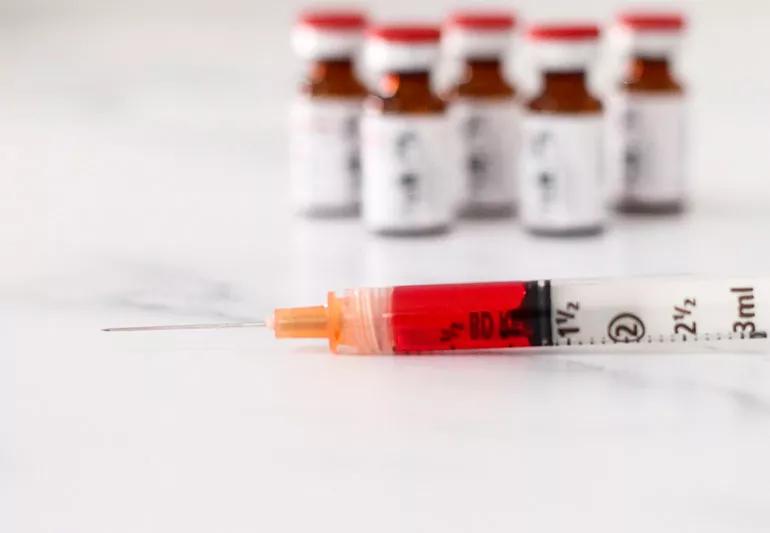
Vitamin B12 injections deliver cyanocobalamin or hydroxocobalamin (common injectable forms of cobalamin) directly into the body. The goal is to correct vitamin B12 deficiency or treat absorption problems that prevent adequate B12 uptake from food or oral supplements.
Where people get misled is when injections are framed as a metabolism “booster” for weight loss. Here’s the underlying logic: B12 is required for normal red blood cell formation and for maintaining key metabolic pathways, including those involved in energy production and nervous system function. If you’re deficient, correcting that deficiency can improve symptoms like fatigue and weakness—sometimes indirectly supporting activity and better diet adherence. But if you’re not deficient, the injection doesn’t magically turn into fat loss.
In other words: B12 injections can be medically important, but weight loss results (when they happen) are typically driven by improving deficiency-related symptoms and lifestyle factors—not by a direct “fat-burning” mechanism.
When Vitamin B12 Injections Make Sense
In my experience, the best outcomes occur when injections are used for the right indication: confirmed or strongly suspected deficiency or impaired absorption.
Common reasons people develop low B12
- Dietary insufficiency: B12 is primarily found in animal products, so strict vegan diets may require supplementation.
- Malabsorption conditions: Examples include pernicious anemia and certain gastrointestinal disorders.
- Medications that interfere with absorption: Some treatments reduce stomach acid or affect nutrient uptake (your clinician can assess your risk).
- Post-surgery states: Gastric bypass or other procedures can change absorption.
What clinicians typically look for before prescribing
Weight loss is not the diagnostic target—status is. Providers often use blood work and symptom evaluation, such as:
- Serum B12 level
- Complete blood count (CBC) to assess for anemia patterns
- Functional markers like methylmalonic acid (MMA) and homocysteine when results are borderline or symptoms are concerning
I’ve seen cases where someone felt “low energy,” got injections, and felt better—but the real value was that clinicians confirmed deficiency or improved safety around absorption risk. That same approach prevents wasted injections and helps rule out other causes of fatigue and weight changes (thyroid issues, sleep apnea, medication side effects, insulin resistance, and more).
Do Vitamin B12 Injections Help With Weight Loss?
Short answer: they can indirectly support weight loss if correcting a deficiency improves energy, mood, or ability to follow a calorie plan. But they are not a substitute for evidence-based weight management.
What I’ve observed in real-world plans
In weight management programs I’ve supported, people often report:
- Improved fatigue and reduced “drag,” which makes it easier to walk, train, or move more consistently
- Better tolerance of structured exercise (especially after weeks where low energy previously reduced adherence)
- Sometimes fewer cravings—often because overall energy and routine improve, not because fat is being “melted” by B12
However, when patients had normal B12 levels, injections didn’t translate into meaningful fat loss by themselves. That’s the pattern that aligns with the underlying biology: B12 deficiency correction supports normal function; without deficiency, there’s no surplus metabolic lever to pull.
Signs you should address first (before chasing injections)
- Calorie deficit and diet quality: Weight loss is fundamentally energy balance.
- Protein and fiber intake: Helps satiety and preserves lean mass during weight loss.
- Sleep and stress: Poor sleep can worsen appetite regulation and insulin sensitivity.
- Activity plan: Resistance training and consistent daily movement matter.
Safety, Side Effects, and Risk Management
Vitamin B12 injections are generally well tolerated when used appropriately. Still, I encourage a risk-management mindset rather than “more is better.”
Potential side effects
- Injection-site discomfort (pain, redness, swelling)
- Headache
- Nausea
- Acneiform rash in some people
- Rare allergic reactions
Who should be extra cautious
- People with known hypersensitivity to components of the injection
- Individuals with complex hematologic or neurologic symptoms who need a careful diagnostic approach
One practical lesson I follow
When patients ask about vitamin b12 injections for weight loss, I ask one clarifying question first: “Have we confirmed deficiency or absorption risk?” If the answer is no, I usually recommend discussing testing or a supervised oral strategy with a clinician rather than treating weight loss as the indication. It’s the most efficient way to avoid unnecessary injections and to address the real drivers of body weight.
How to Use Vitamin B12 Injections Effectively (If Indicated)
Because dosing depends on the reason for treatment, I can’t give a one-size schedule that applies to everyone safely. But I can describe the framework I use to plan responsibly with patients.
1) Confirm the clinical indication
If you have symptoms consistent with deficiency (fatigue, anemia history, neurologic complaints) or absorption risks, ask your clinician about appropriate testing. This is especially important if your weight concerns are a secondary issue.
2) Set realistic expectations
If deficiency is present, symptom improvement may occur over time. Weight changes—if they happen—should be treated as an indirect downstream effect of improved health and adherence, not an immediate “shot effect.”
3) Monitor response and adjust the plan
Monitoring typically includes symptom tracking and follow-up labs. If B12 is corrected, the long-term plan may shift (for some people) toward oral maintenance or targeted treatment intervals—again determined by clinician judgment.
Alternatives to Injections
Depending on the cause of low B12, alternatives may be more appropriate than injections.
Oral vitamin B12
High-dose oral B12 can work for many people because a small percentage is absorbed via passive diffusion, even when absorption is imperfect. Whether this is appropriate depends on the underlying cause.
Diet-first and supplementation support
- Increase B12-rich foods if you eat animal products
- For vegan diets, consider fortified foods and/or a clinician-guided supplement strategy
- Address absorption risks (where possible) rather than relying on injections indefinitely
In my workflow, this “cause-first” approach tends to produce better long-term adherence than repeating injections without reassessing need.
FAQ
Can vitamin B12 injections help me lose weight if my levels are normal?
They’re unlikely to cause meaningful fat loss if you’re not deficient. In practice, any weight-related changes are usually indirect—like improved energy or better routine adherence—rather than a direct fat-burning effect.
How do I know whether I need vitamin B12 injections?
The most reliable approach is a clinician-guided assessment using symptoms, diet history, absorption risk factors, and blood work (often including serum B12 and, when needed, functional markers like MMA or homocysteine).
Are there any risks with long-term vitamin B12 injection use?
Risks are generally low for most people, but long-term use should still be purposeful. Ongoing injections without confirming deficiency or without periodic reassessment can lead to unnecessary treatment. Your clinician can help determine whether maintenance dosing, oral therapy, or different management is more appropriate.
Conclusion: The Next Practical Step
Vitamin B12 injections are best viewed as a treatment for deficiency and absorption problems—not a standalone solution for vitamin b12 injections for weight loss. If you’re deficient, correcting it can improve fatigue and support healthier activity and habits. If you’re not, injections are less likely to drive meaningful fat loss.
Next step: If weight loss is your main goal, discuss B12 testing and absorption risk with a clinician, then build your plan around evidence-based nutrition, sleep, and movement—with B12 used when it’s truly indicated.
Discussion