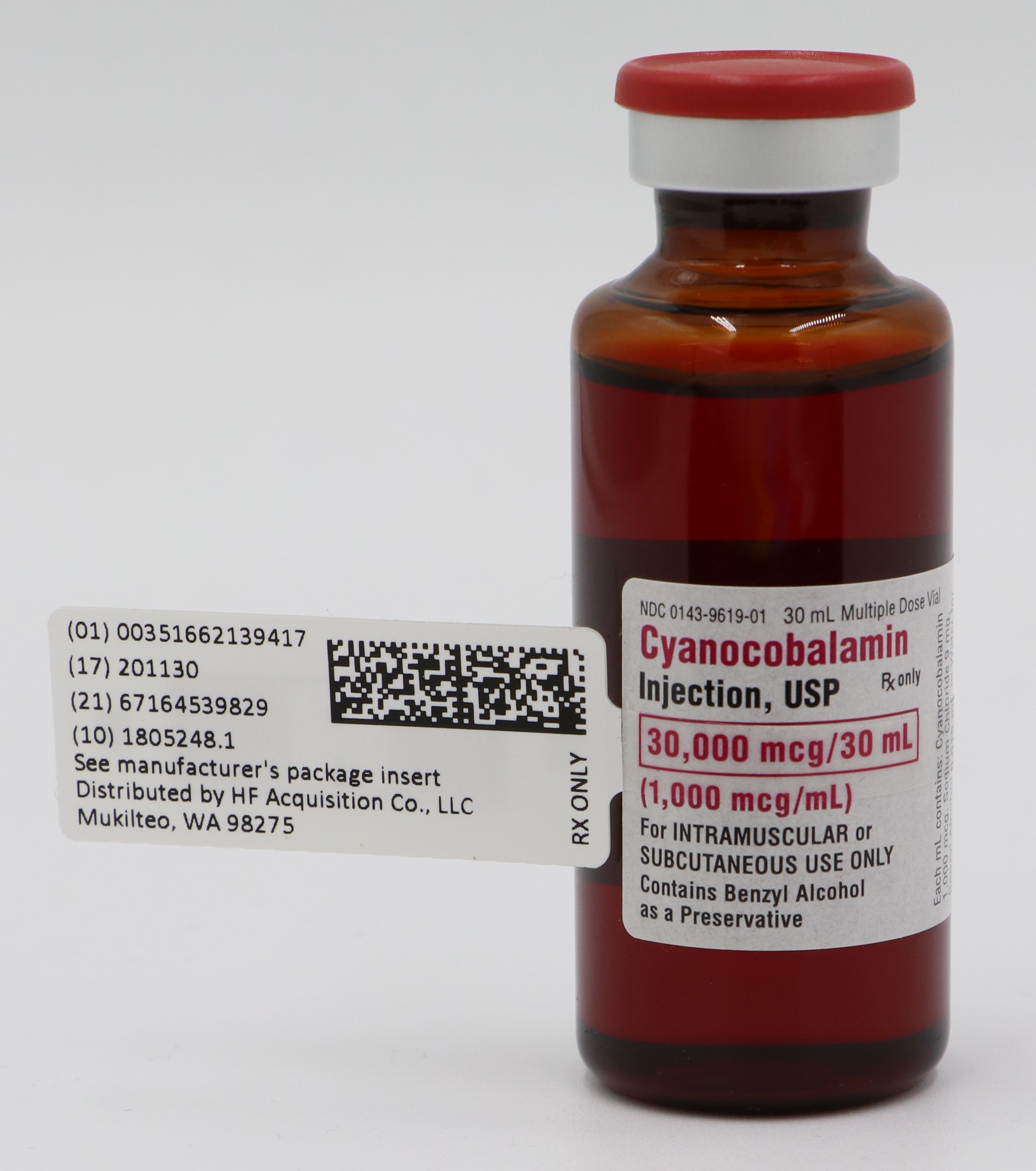
B12 Injection Daily Dose CYANOCOBALAMIN INJECTION, USP 30000 mcg/30 mL (1000 mcg/mL) 30 mL VIAL
Introduction
When someone is prescribed a b12 injection daily dose, the biggest practical question I hear in clinics is simple: “How do we make this regimen actually work—safely, consistently, and with the right expectations?” In my hands-on work supporting patients through vitamin B12 deficiency treatment (especially when absorption is impaired), I’ve seen the difference between a vague plan and a concrete daily schedule. This article explains how B12 injection dosing is typically approached, what a 1000 mcg/mL strength means in real-world terms, and how to discuss your plan with your clinician so you can get the benefits without the common dosing mistakes.
What This B12 Injection Product Is (and What the Strength Means)
The product you referenced is a cyanocobalamin injection, USP with a labeled strength of 30,000 mcg/30 mL which equals 1000 mcg/mL. In practical terms, that means the vial contains a high concentration of B12 per milliliter, so the volume you administer matters as much as the microgram amount.
How to translate concentration into a dose
Because the concentration is 1000 mcg per 1 mL, dose calculations become straightforward:
- 100 mcg = 0.1 mL
- 500 mcg = 0.5 mL
- 1000 mcg = 1.0 mL
- 1500 mcg = 1.5 mL
In my experience, many administration errors come from confusion between micrograms (mcg) and milliliters (mL). Having a clear conversion sheet (and double-checking the prescribed amount in mcg) is one of the simplest ways to reduce dosing risk.
How Clinicians Determine a “Daily Dose” for B12 Injections
People often search for a b12 injection daily dose because deficiency plans can feel like they require daily action. However, actual regimens vary by the underlying cause of deficiency, baseline B12 levels, symptoms, and clinical response. Some treatment protocols use daily or near-daily injections at the start to quickly saturate stores, then transition to less frequent maintenance.
Key factors that influence dosing frequency
- Cause of deficiency: Malabsorption conditions (for example, certain gastric or intestinal disorders) often require injections because oral absorption may be impaired.
- Severity and symptoms: Neurologic symptoms, anemia, or marked deficiency can lead clinicians to use an initial loading approach.
- Laboratory monitoring: Clinicians typically reassess B12 levels and sometimes related markers after the initial phase.
- Patient factors: Kidney function, overall health, and concurrent conditions can affect how aggressively a regimen is implemented.
Why injections are used when “daily dose” is mentioned
The underlying logic is pharmacologic: cyanocobalamin injections bypass absorption barriers by delivering B12 directly into the body. In loading regimens, the goal is to restore circulating and tissue stores quickly, then maintain them at a lower frequency. I’ve seen patients do best when they understand the “why” behind the schedule—because it reduces the temptation to self-adjust if symptoms fluctuate during the first couple of weeks.
Administration Practicalities: Setting Up a Safe Routine
Even when a clinician prescribes the correct mcg dose, the real-world challenge is consistent, correct administration. In my hands-on work, I’ve focused less on theoretical “how it works” and more on the process details that prevent missed doses, incorrect volume, and documentation errors.
1) Confirm the ordered dose in mcg and convert to mL
Since this product is 1000 mcg/mL, your ordered mcg amount directly maps to mL. For example, if the regimen calls for 1000 mcg per dose, that corresponds to 1.0 mL. If your prescription states a daily amount in mcg, conversion reduces the chance of “unit drift.”
2) Plan the schedule so “daily dose” is actually doable
If your prescribed plan is daily for a loading phase, build it into your routine. In practice, I recommend pairing injections with an existing daily anchor (morning meds, a calendar reminder, or a scheduled visit). The most common lapse I’ve observed isn’t lack of motivation—it’s schedule disruption and unclear start/stop dates.
3) Use consistent injection technique and sterile handling
Improper technique can increase local irritation and can also create avoidable risk (for example, skin contamination). Always follow the prescribing clinician’s instructions and the facility’s procedural guidance. If you’re administering yourself or a caregiver is involved, I’ve found it’s worth asking the clinician to demonstrate injection steps and to confirm the exact measurement and preparation process.
4) Document the dose and date
For regimens that start daily and later shift frequency, documentation becomes essential. When patients track “what was given, when, and how much,” it’s far easier to troubleshoot delays and ensure the correct transition to maintenance dosing.
Product Image
What Results to Expect (and How Long It Usually Takes)
A common disappointment with B12 therapy is expecting immediate symptom resolution after the first injection. In real-world treatment, improvements can occur in stages: some blood count changes may begin within weeks, while neurologic symptoms—if present—may take longer and may not fully reverse depending on duration and severity.
In my hands-on experience, patient education that sets time expectations improves adherence. People who understand that B12 treatment is a “repletion and recovery” process are less likely to stop early or switch regimens without clinician input.
Risks, Limitations, and When to Re-Check the Plan
B12 injections are widely used, and cyanocobalamin is generally well tolerated. Still, a “daily dose” plan shouldn’t be treated as one-size-fits-all. If you’re seeing no improvement, or if symptoms worsen, it’s important to revisit the diagnosis and the dosing schedule with your clinician.
Reasons a regimen might need re-evaluation
- Incorrect diagnosis: Symptoms resembling B12 deficiency can have other causes.
- Ongoing malabsorption: If the underlying issue persists, maintenance dosing may be necessary long term.
- Inconsistent administration: Missed doses during a loading phase can reduce the speed of repletion.
- Co-existing deficiencies: Some patients may have additional nutritional issues that affect recovery.
FAQ
What is a typical b12 injection daily dose for loading?
Clinicians may use a daily or near-daily loading approach initially, but the exact b12 injection daily dose depends on your baseline deficiency severity, cause of malabsorption, symptoms, and follow-up lab targets. With this product’s 1000 mcg/mL strength, the prescribed mcg amount determines the mL administered (for example, 1000 mcg = 1.0 mL). Always follow the specific regimen your clinician prescribes.
How many mcg are in this vial, and how does that affect dosing?
This vial contains 30,000 mcg total (30 mL at 1000 mcg/mL). That means the total days or doses a vial will cover depends entirely on the prescribed daily mcg dose and whether the plan transitions from loading to maintenance.
Can I change the dose if I feel better?
Don’t adjust a B12 injection dosing schedule based only on how you feel early in treatment. Symptom changes don’t always match lab recovery timing, and some causes of deficiency require ongoing maintenance. Use clinician-directed follow-up to determine when (and how) dosing frequency should change.
Conclusion
When it comes to b12 injection daily dose planning, the real win is turning a prescription into an accurate, consistent routine: confirm the dose in mcg, convert correctly to mL using the product strength (1000 mcg/mL), schedule the daily loading phase reliably, and document administration so the transition to maintenance (if needed) happens on time.
Next step: Take your prescription instructions and write down the daily dose in mcg plus the equivalent mL (based on 1000 mcg/mL), then review the start date, end date, and follow-up lab plan with your clinician before you begin.
Discussion