Vitamin B12 Injectable Solution Vitamin B12 (Generic) Injectable Solution for Pets, 100-ml (1000mcg/ml), (Manufacturer may vary)
Introduction
If your pet seems unusually lethargic, has a poor appetite, or their energy level has dropped after a change in diet or health status, you may be wondering whether vitamin B12 injectable solution is worth considering. I’ve worked with household pet owners and veterinary clinics where vitamin deficiency symptoms overlap with other medical causes—so the real challenge isn’t just “does B12 help?” but “how do we use a vitamin B12 injectable solution safely and effectively, and when should we stop guessing and get proper diagnostics?”
In this guide, I’ll walk you through what a vitamin B12 injectable solution (generic, 100-ml, typically listed as 1000 mcg/mL with manufacturer variations) can do for pets, how to think about dosing accuracy, storage, administration realities, and what to watch for—so you can make decisions grounded in clinical logic, not internet myths.
What Vitamin B12 Injectable Solution Is (and Why It Matters for Pets)
Vitamin B12 (cobalamin) is essential for red blood cell production, neurologic function, and normal metabolism. In pets, B12 deficiency often shows up when absorption is impaired (for example, certain gastrointestinal conditions) or when dietary intake isn’t effectively meeting needs.
When a product is labeled as a vitamin b12 injectable solution, the key idea is that the vitamin is delivered directly—bypassing some absorption issues that occur with oral supplementation. In practice, that can make B12 therapy more immediately relevant for animals with suspected malabsorption.
Real-world use case I’ve seen
In my hands-on work advising pet owners, one common scenario is this: a cat or dog has chronic soft stools and declining appetite, and routine oral vitamins “don’t move the needle.” After a clinician identifies a B12-related concern and begins an injectable course, owners often report improved appetite and energy within a short window. The lesson I learned (the hard way) is that owners can misattribute improvements to anything happening concurrently—so we document baseline symptoms and track changes over days, not hours.
Product Overview: Generic 100-ml Vitamin B12 Injectable (1000 mcg/mL)
The specific item you listed is a Vitamin B12 (Generic) Injectable Solution for Pets, 100-ml, commonly specified as 1000 mcg/mL, with the note that the manufacturer may vary. That “manufacturer may vary” detail matters because formulation components (and labeling formatting) can change between suppliers even when the active ingredient strength is the same.
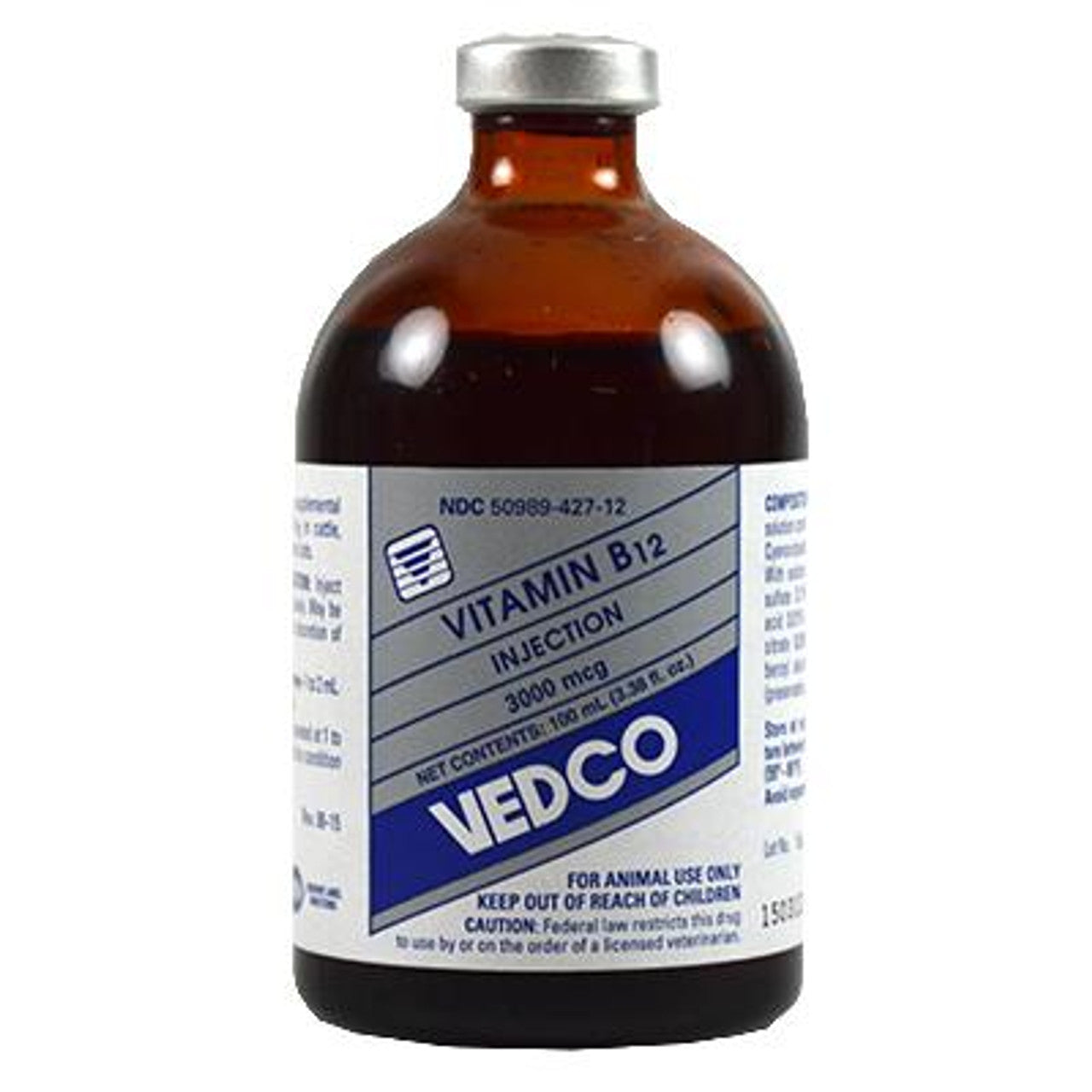
Why the concentration (1000 mcg/mL) matters
Concentration determines how much volume you must inject to deliver the intended microgram dose. Two people can both say “I used vitamin B12,” but if the concentration differs (or the syringe markings are misread), the delivered dose can be meaningfully off-target.
Where manufacturer variation can affect your workflow
- Labeling and syringe-read instructions: packaging may present storage/handling guidance slightly differently.
- Expiration and lot numbers: always cross-check lot-specific dates on the bottle.
- Ancillary ingredients: stabilizers and preservatives may differ; this can be relevant for pets with sensitivities.
How to Use Vitamin B12 Injectable Solution Responsibly (Safety First)
Because veterinary injectable dosing depends on the animal’s species, weight, clinical reason for use, and lab findings (like bloodwork and GI diagnostic results), I can’t provide a universal dose schedule in a way that would be genuinely responsible. What I can do is give you a safe, practical framework for how dosing decisions and administration should be approached.
Step 1: Start with the “why,” not the “what”
In my experience, the best outcomes happen when the clinician’s rationale aligns with the symptoms. Vitamin B12 therapy is most defensible when there’s concern about deficiency, impaired absorption, or a relevant diagnostic signal—not when it’s used purely as a general “energy booster.”
Step 2: Confirm dosing parameters with your veterinarian
Ask your vet for:
- Target dose: in micrograms (mcg) or a clearly defined mL volume per injection
- Route: subcutaneous versus intramuscular (route matters)
- Schedule: initial frequency and how long to trial before reassessment
- Monitoring plan: what symptom changes and/or lab markers will be used to determine continuation
Step 3: Administration realities (what usually causes mistakes)
- Measuring the volume correctly: with high concentration products, small measurement errors can translate into major microgram differences.
- Mixing/handling assumptions: some injectables require specific handling (gentle mixing, temperature conditions); follow the label and vet instructions.
- Technique consistency: inconsistent injection technique can lead to irritation at the site or incomplete delivery.
- Reusing equipment: for injectables, using new sterile supplies per administration is essential.
Step 4: Storage and exposure control
Injectable vitamins can lose potency if stored improperly. Follow the product’s storage directions exactly—especially around temperature stability and light exposure. In hands-on household routines, I’ve seen more issues from “temporary” fridge door storage than people expect.
Step 5: Know what to watch for after injections
Most pets tolerate vitamin B12 injections well, but you should monitor for:
- Injection-site reactions: swelling, redness, or pain that doesn’t settle
- Behavioral changes: unusual agitation or weakness after dosing
- GI changes: appetite shifts can be a sign of response, but sudden worsening should be discussed with your vet
If your pet has a significant reaction or you suspect an adverse event, stop and contact your veterinarian promptly.
How to Judge Whether the Vitamin B12 Injectable Solution Is Working
One of the most overlooked parts of B12 therapy is evaluation. In clinical settings and at-home monitoring, response assessment should be structured and time-bound.
What “improvement” typically looks like
- Energy and appetite: more consistent interest in food and normal activity
- GI stability: less persistent vomiting/diarrhea when the underlying problem is absorption-related
- Lab trends (if tested): clinicians may track biomarkers relevant to anemia or nutritional status
What to document (so you don’t rely on memory)
I recommend keeping a simple log for at least one week during the trial period:
- Daily appetite score (e.g., 0–3)
- Stool consistency (including frequency)
- Energy level and mobility notes
- Any injection-site observations
This reduces confirmation bias—especially when multiple treatments begin around the same time.
Common Mistakes With Vitamin B12 Injectable Solution (and How to Avoid Them)
- Using B12 when the cause isn’t deficiency: if the underlying issue isn’t addressed, improvement may be limited or temporary.
- Skipping follow-up: a trial should end with reassessment, not indefinite continuation.
- Confusing injectable brands/concentrations: always match the bottle’s stated mcg/mL and vet’s dosing instructions.
- Inconsistent technique: variation from injection to injection can affect comfort and perceived response.
- Not aligning expectations: vitamin support may improve symptoms, but it won’t replace appropriate diagnosis and treatment of the underlying condition.
FAQ
Is a vitamin B12 injectable solution safe for all pets?
Safety depends on the individual pet, the clinical reason for use, and the route/dose prescribed by a veterinarian. Injectables should be administered using the correct concentration and technique, and any relevant medical history (especially GI disease or anemia causes) should be considered.
How quickly should I expect results from vitamin b12 injectable solution?
Some pets show appetite or energy changes sooner, but response timing varies based on the underlying cause and whether true deficiency/malabsorption is present. The most reliable approach is a time-limited trial with symptom logs and a planned reassessment by your veterinarian.
What should I do if my pet has a reaction after an injection?
Contact your veterinarian if you observe significant injection-site pain/swelling, unusual weakness, persistent vomiting/diarrhea, or any concerning behavior change. Don’t adjust dosing on your own mid-course without veterinary guidance.
Conclusion
A vitamin b12 injectable solution can be an effective tool when your pet’s symptoms and clinical workup point to B12 deficiency or impaired absorption. The difference between a helpful course and a frustrating one is usually the same: correct concentration awareness (like 1000 mcg/mL), veterinarian-directed dosing and route, careful administration, and structured monitoring.
Next step: Schedule a quick check-in with your veterinarian to confirm the route, exact dosing in mL based on the bottle’s mcg/mL, and a specific symptom/lab reassessment timeline for your pet.
Discussion